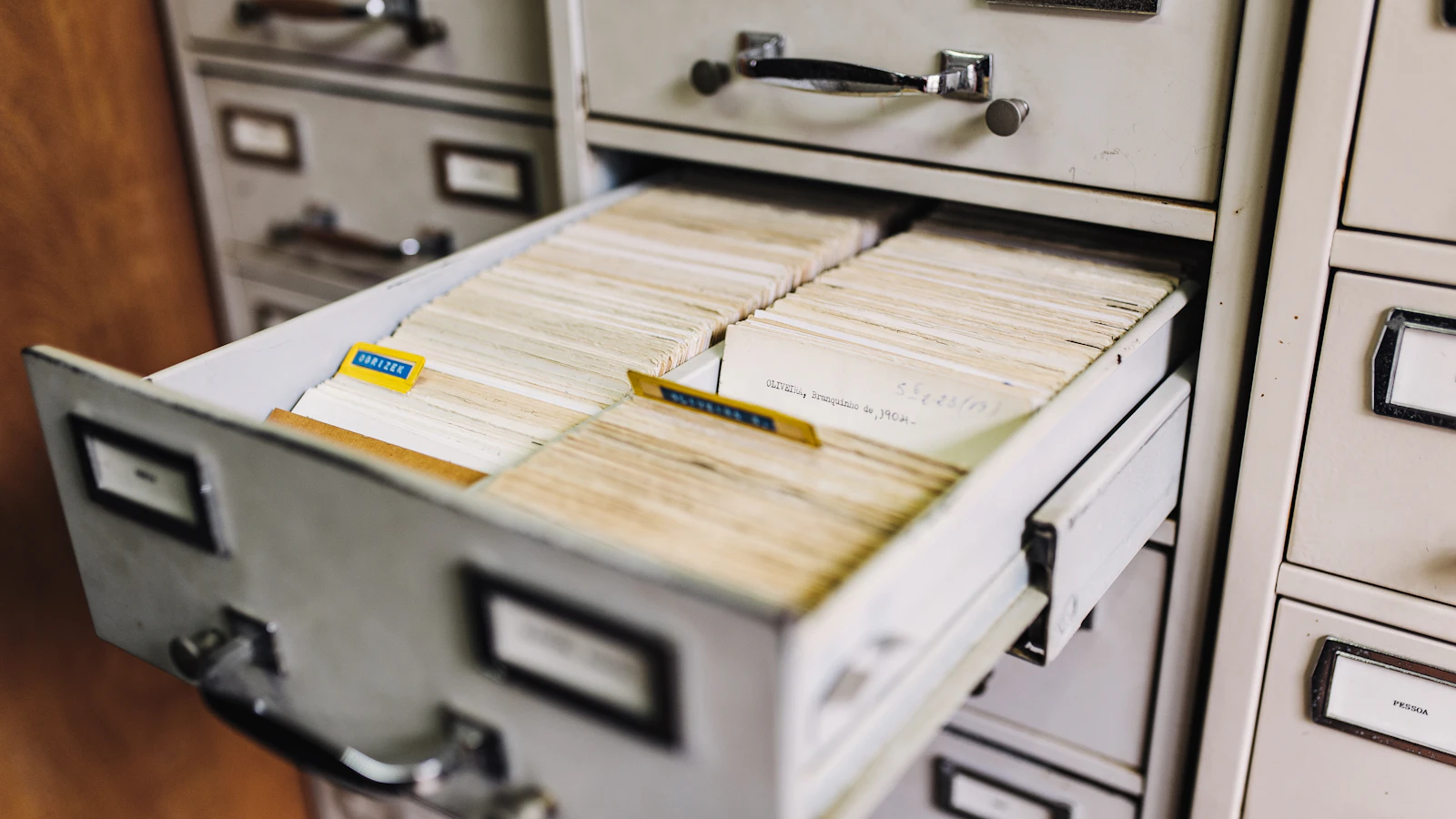
A company can operate, invoice and pay taxes while its corporate history remains incomplete. The problem usually appears when it receives investment, applies for credit, distributes dividends, sells shares or faces a dispute. The books of minutes, of members or shares, and of capital variations must tell one and the same story, supported by documents. In 2026, digitizing helps, but it does not correct substantive inconsistencies or replace the legal formalities that correspond to each resolution.
Which books must speak to one another
The book of minutes keeps the resolutions of shareholders' meetings, members' meetings and, where applicable, boards of directors. The limited-liability company (S. de R.L.) also keeps a special members' book with identity, address, contributions and transfers; the corporation (S.A.) maintains a registry of registered shares and recognizes as the owner whoever appears registered. Variable-capital companies also record increases and decreases. These documents must match the bylaws, share certificates, transfer agreements, payment records, notices in the commercial-publications system and tax records. Minutes approving a capital increase without a reflection in the other records leave a gap in ownership, governance and financial evidence.
Content and preservation with evidentiary value
The Commercial Code requires that the minutes of general meetings state the date, attendees, shares represented, votes available and resolutions; if the vote is not by show of hands, the votes cast must be recorded. Board minutes include the date, attendees and resolutions approved. The General Law of Commercial Companies adds signatures and notice documents for S.A. meetings. Records of commercial transactions must be kept for at least ten years and may be stored electronically if the applicable rules on integrity and preservation are met. A scanned folder without indexes, version controls or a link to the corresponding book may be difficult to defend, even if it contains all the files.
How to regularize without rewriting history
Regularization begins with a chronological inventory, not with the retroactive fabrication of minutes. Bank movements, accounting, tax returns, contracts, powers of attorney and public records must be compared to determine what happened and what remains to be formalized. Errors are corrected through current resolutions, ratifications, replacements or notarial instruments when legally appropriate, leaving traceability of the correction. The 2023 reforms allow electronic signatures on minutes and remote meetings when the bylaws and the mechanisms meet the requirements, but technology does not authorize altering dates or replacing consents. The goal is a coherent file that allows a third party to reconstruct who decided, with what authority and what execution followed.
Key points
- Minutes, members' or shares' books and capital records must reflect the same corporate structure.
- Transfers may require registration and publication to fully produce their effects.
- Commercial records must be kept for at least ten years with integrity and the ability to be consulted.
- Regularizing means documenting current corrections, not creating retroactive evidence.
What to review
- Prepare a per-year inventory of meetings, boards, capital, shareholders, powers of attorney and publications.
- Reconcile the capitalization table with accounting, returns and bank records.
- Define a policy for signing, page-numbering, backup, access and preservation of corporate files.